Global Markets Kick Off the Week on a Cautious Optimistic Note as Central Banks and Key Data Drive Direction | Weekly Market Analysis

Key events this week:
Monday, December 8, 2025
- Japan - GDP (QoQ) (Q3)
Tuesday, December 9, 2025
- Australia - RBA Interest Rate Decision (Dec)
- USA - JOLTS Job Openings (Sep)
- USA - 10-Year Note Auction
Wednesday, December 10, 2025
- Canada - BoC Interest Rate Decision
- USA - Crude Oil Inventories
- USA - FOMC Economic Projections
- USA - FOMC Statement
- USA - Fed Interest Rate Decision
- USA - FOMC Press Conference
Thursday, December 11, 2025
- Switzerland - SNB Interest Rate Decision (Q4)
- USA - Initial Jobless Claims
- USA - 30-Year Bond Auction
Friday, December 12, 2025
- UK - GDP (MoM) (Oct)
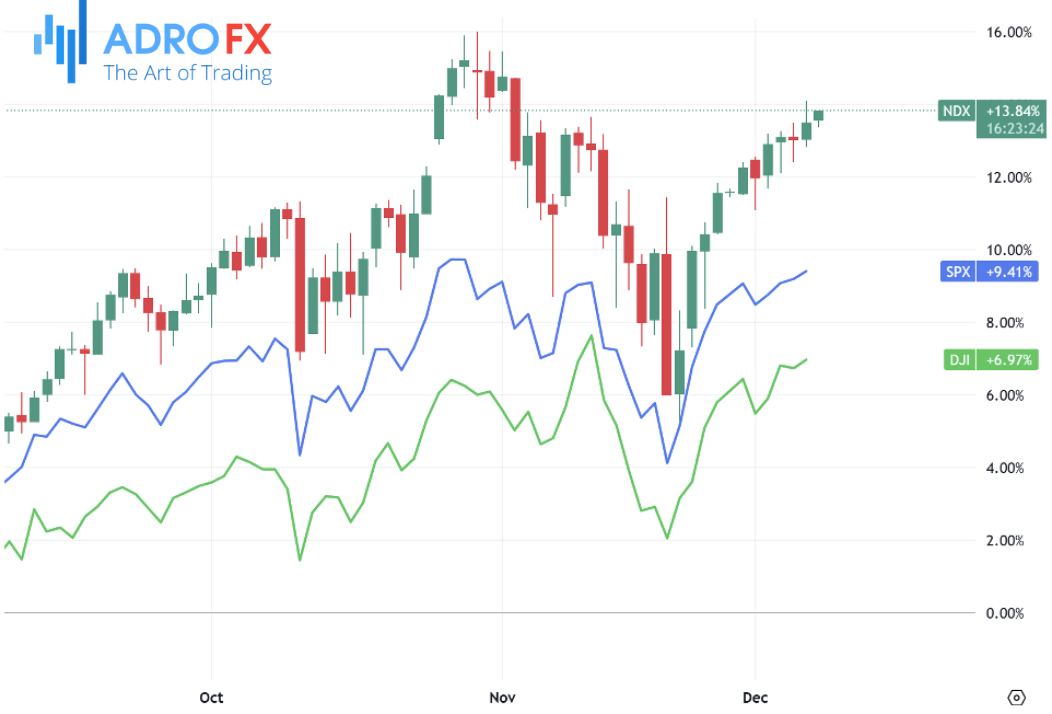
Global financial markets begin the new week with a measured sense of optimism, shaped by softer inflation signals, shifting expectations around central bank policy, and a series of important macroeconomic and corporate developments. In the United States, equities finished Friday in positive territory after a relatively calm inflation report reinforced investor confidence that the Federal Reserve is ready to ease monetary policy again.
The Dow Jones Industrial Average advanced by just over 100 points. At the same time, the S&P 500 and the Nasdaq Composite posted small but steady gains, reflecting a market cautiously positioning itself ahead of a critical policy week.
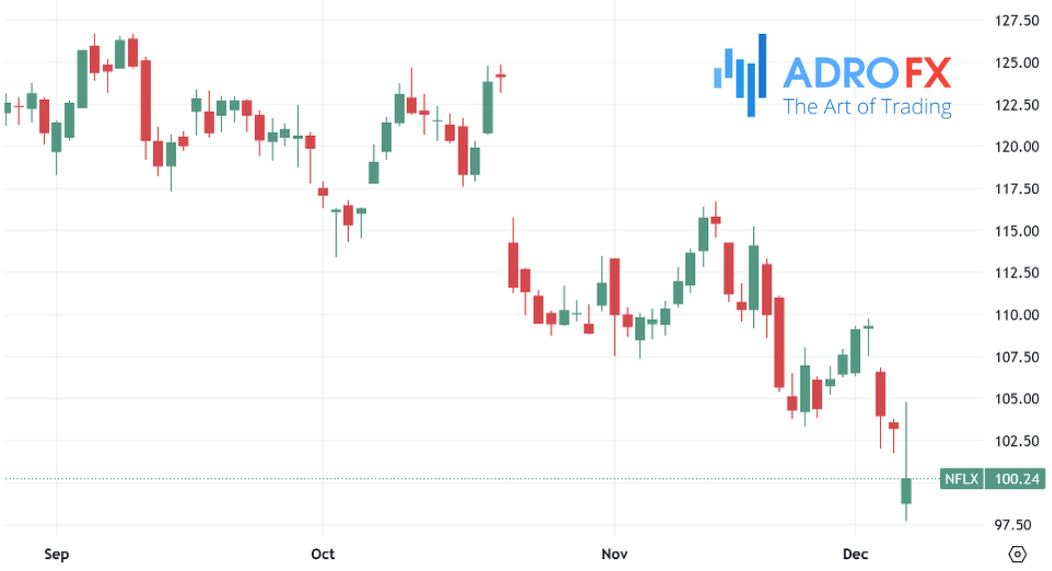
At the corporate level, Netflix reached a deal to acquire Warner Bros. Discovery through a cash-and-stock transaction that values the target at roughly $27.75 per share, for an enterprise value of nearly $82.7 billion. The agreement capped off an intense bidding contest in which Netflix ultimately topped a competing proposal from Paramount Skydance. If completed, the deal would dramatically reshape the global streaming and media landscape, granting Netflix access to one of the industry's most extensive and valuable content libraries and cementing its position as a dominant entertainment conglomerate.
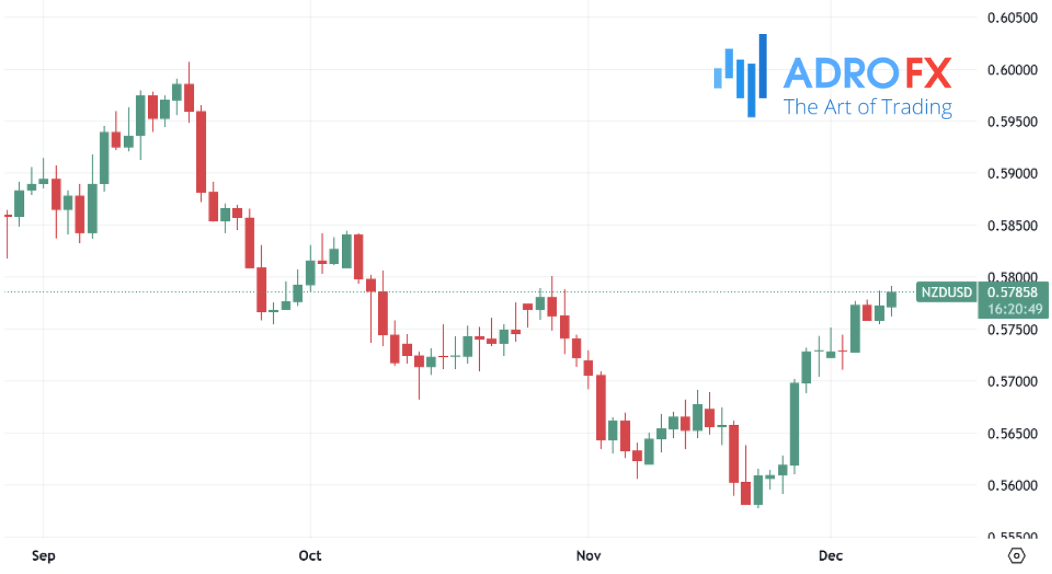
In currency markets, activity during the Asian session reflected a mix of regional economic signals and global monetary policy expectations. The New Zealand dollar found modest support against the US dollar, with the NZD/USD pair edging toward 0.5785. Despite this small rebound, the kiwi remains under pressure following the release of China’s latest trade data. Official figures showed China’s trade surplus widening sharply in November, driven by a strong acceleration in exports relative to imports. Since China is New Zealand’s largest trading partner, such developments often spill over into the kiwi’s performance. A rising surplus is typically seen as a sign of resilience in China’s external sector, which can provide indirect support to trade-linked currencies even when immediate price action remains subdued.
Gold has benefited from the weakening dollar and declining Treasury yields, attracting dip buyers early in the new week. After a modest pullback from the $4,260 region—its highest level in over a month—gold appears to be stabilizing as traders adopt a wait-and-see stance ahead of the Fed decision. The non-yielding metal typically performs well when real interest rates fall, and the dollar softens, both of which are currently in play. Still, price action remains largely range-bound, suggesting that market participants are reluctant to commit aggressively in either direction until clarity emerges from the Federal Open Market Committee.

In Japan, the yen continues to draw support from shifting expectations around the Bank of Japan. Fresh wage growth data has reinforced speculation that Japanese policymakers may move closer to tightening policy, possibly as soon as December. This comes despite a disappointing third-quarter GDP reading, indicating that domestic inflation dynamics—particularly wages—are now carrying more weight in the BoJ’s policy calculus. As a result, Japanese government bond yields have remained near multi-year highs, narrowing the interest rate gap with other developed economies. This narrowing differential, combined with the yen’s traditional safe-haven appeal amid cautious global sentiment, has helped the currency maintain a firm tone against the US dollar.

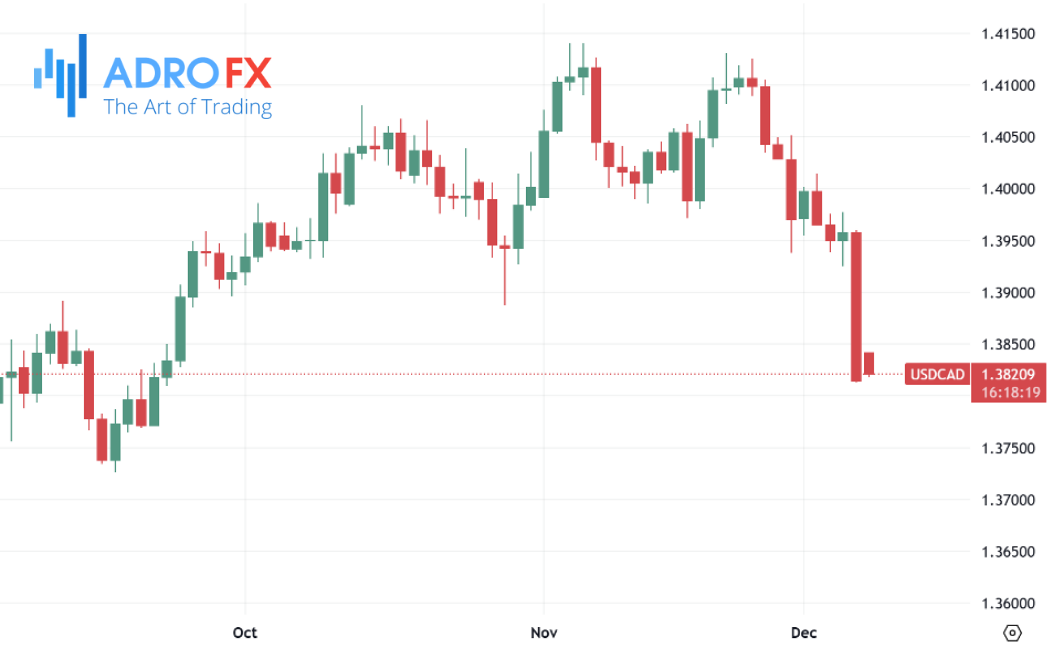
The Canadian dollar also remains in focus after last week’s employment report delivered a positive surprise. Canada’s unemployment rate fell sharply to 6.5% in November, supported by a notable increase in part-time employment. Full-time job creation slowed slightly from October but still far exceeded economists’ expectations, who had anticipated a modest contraction. These figures have dampened speculation that the Bank of Canada will cut rates at its upcoming policy meeting, with markets now widely expecting officials to leave the benchmark rate unchanged at 2.25%. However, lingering uncertainty surrounding US–Canada trade relations continues to cast a shadow over the loonie, particularly after recent diplomatic discussions failed to produce concrete timelines for renewed negotiations.
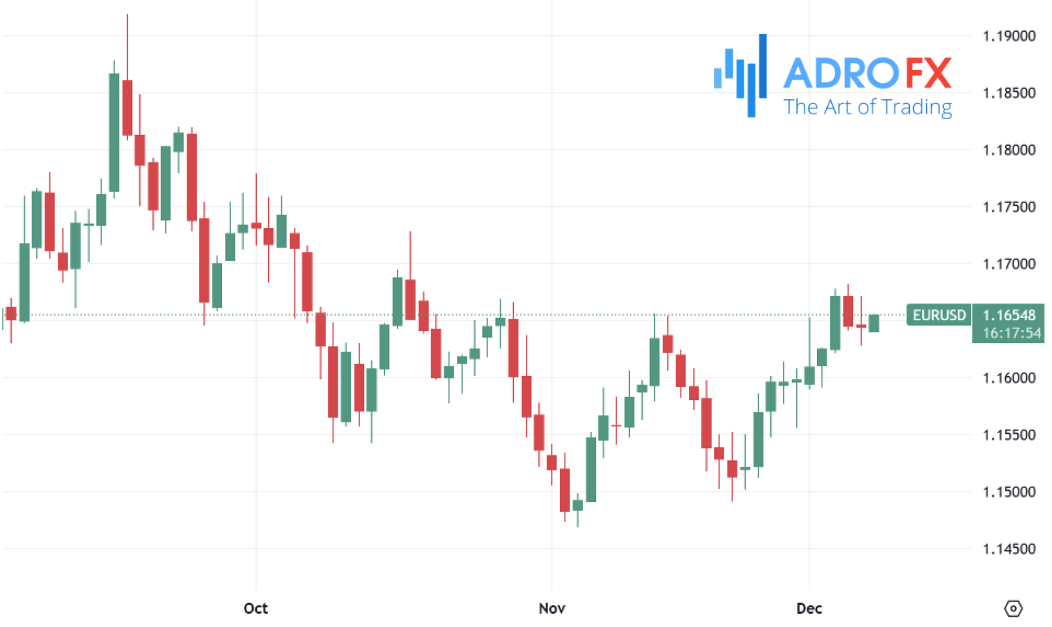
Across the Atlantic, the euro is showing restrained strength against the dollar, with the EUR/USD pair hovering near 1.1645. Expectations of additional easing from the Federal Reserve are weighing on the greenback. At the same time, slightly firmer-than-expected inflation in the euro area has eased immediate pressure on the European Central Bank to cut rates. Most economists expect the ECB to maintain current policy settings at its December meeting, and some analysts are even beginning to question whether the eurozone has reached the end of its easing cycle. Longer-term projections from major investment banks suggest rates could remain steady for years unless inflation retreats more decisively, adding a layer of structural support to the euro.
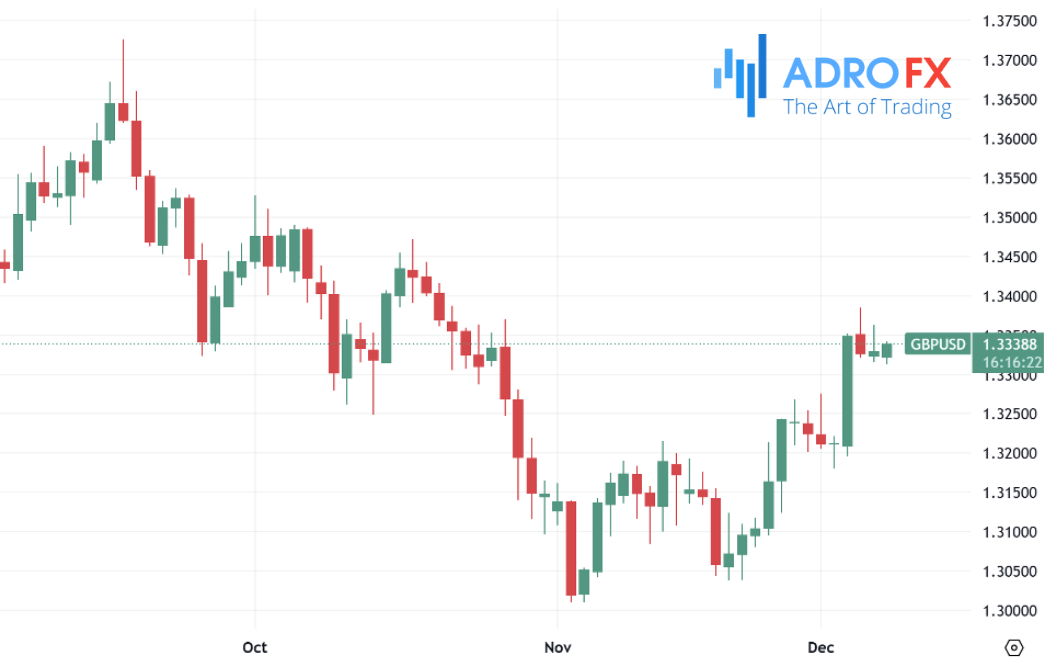
Sterling is also holding its ground as political uncertainty in the UK temporarily eases. The British pound is trading near its strongest levels in over a month against the dollar, supported by the resolution of recent budget concerns. The UK government’s announcement of significant tax increases aimed at closing the fiscal gap and establishing a safety buffer for future risks has reduced near-term pressure on public finances. This development has helped counterbalance expectations that the Bank of England might cut rates later this month, keeping GBP/USD confined to a narrow but elevated trading range.
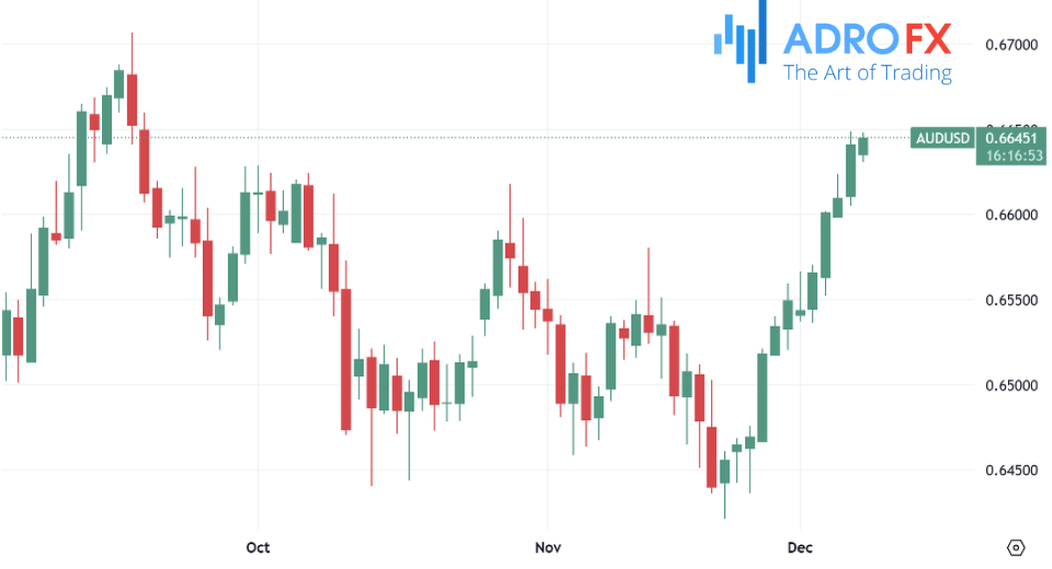
In the Asia-Pacific region, the Australian dollar remains one of the stronger performers. The AUD/USD pair is consolidating near its highest level since mid-September as markets prepare for the Reserve Bank of Australia’s upcoming policy decision. The RBA is widely expected to hold rates steady. Still, recent economic data—including faster annual growth and a resilient labor market—has prompted growing chatter that Australia could move in the opposite direction of the United States next year by raising rates. Inflation in Australia remains stubbornly above the central bank’s target range, and officials have made it clear that policy will remain restrictive until price pressures are more convincingly contained. This divergence in outlook between the RBA and a dovish Federal Reserve is lending ongoing support to the Australian dollar.
Meanwhile, the US dollar continues to soften broadly as markets all but lock in another interest rate cut by the Federal Reserve at its final policy meeting of the year. Pricing in the futures market points to an overwhelming probability of a 25-basis-point reduction, which would lower the federal funds rate target range to 3.50%–3.75%.
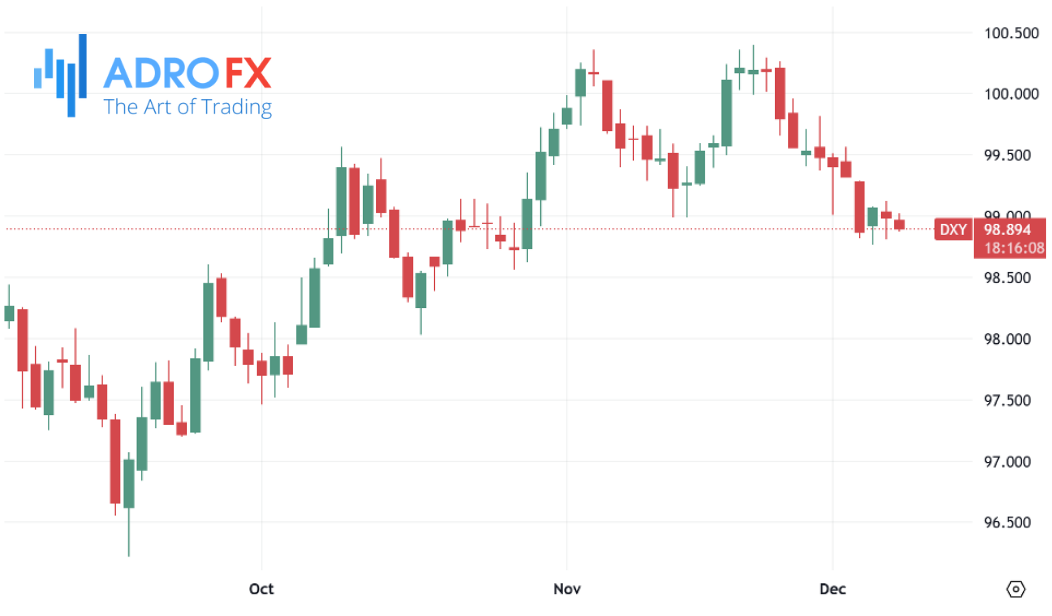
This would mark the third consecutive cut, underscoring a clear shift in the Fed’s approach as inflation cools and economic growth shows signs of moderation. Investors are now turning their attention to the accompanying statement, the updated economic projections, and Fed Chair Jerome Powell’s press conference for guidance on how far and how fast policymakers may continue easing in 2026.
Related Articles



Latest updates
Latest updates




Technical Analysis
Latest updates