Global Markets Stabilize as Fed Cut Bets Drive Stocks, FX, and Gold | Weekly Market Analysis

Key events this week:
Monday, December 1, 2025
- USA - S&P Global Manufacturing PMI (Nov)
- USA - ISM Manufacturing PMI (Nov)
- USA - ISM Manufacturing Prices (Nov)
- Tuesday, December 2, 2025
- USA - Fed Chair Powell Speaks
- Eurozone - CPI (YoY) (Nov)
- USA - JOLTS Job Openings (Sep)
Wednesday, December 3, 2025
- USA - ADP Nonfarm Employment Change (Nov)
- USA - S&P Global Services PMI (Nov)
- USA - ISM Non-Manufacturing PMI (Nov)
- USA - ISM Non-Manufacturing Prices (Nov)
- USA - Crude Oil Inventories
Thursday, December 4, 2025
- USA - Initial Jobless Claims
Friday, December 5, 2025
- USA - Core PCE Price Index (MoM) (Sep)
- USA - Core PCE Price Index (YoY) (Sep)
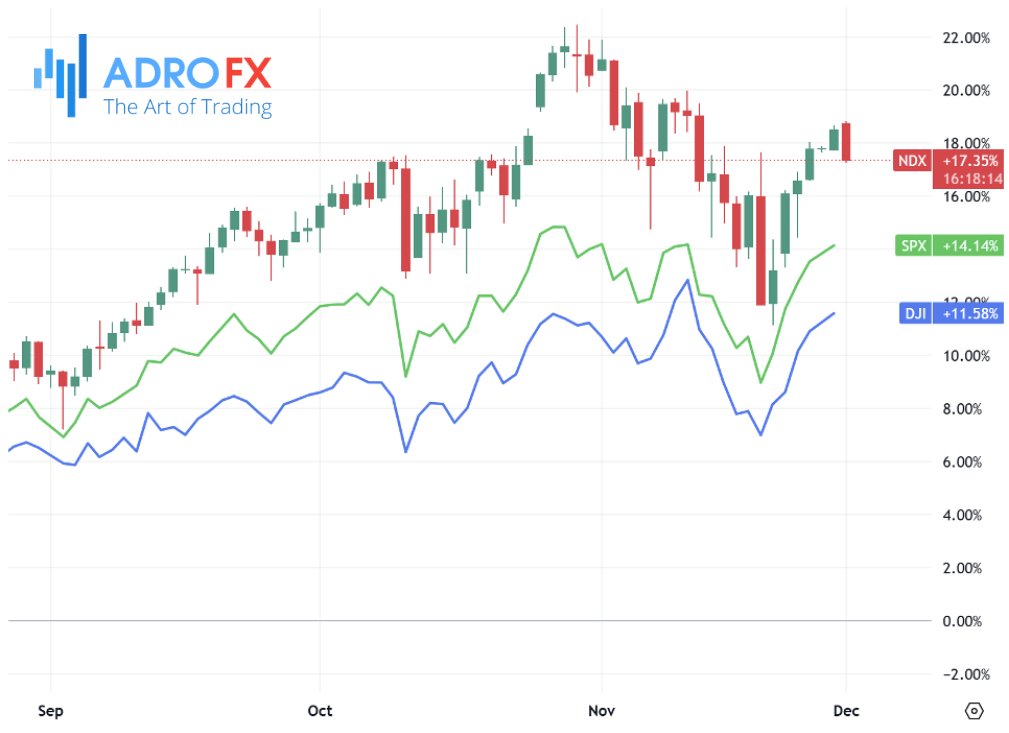
U.S. equities closed the week on a positive note in quiet, holiday-thinned trading following Thanksgiving, as investors leaned into renewed expectations that the Federal Reserve will ease policy in December. Retail and technology shares led the advance, helping major indices recover lost ground after recent volatility. Although overall trading volumes were light, price action reflected a growing conviction that tighter financial conditions are nearing an inflection point.
By the closing bell, all three major benchmarks were firmly higher. The Dow Jones Industrial Average gained just over 0.6% to end near 47,716 points. The S&P 500 rose roughly half a percent to settle around 6,849, while the tech-heavy Nasdaq Composite advanced close to 0.7%, finishing above 23,365. Sector performance was broadly constructive, with only healthcare slipping into negative territory.
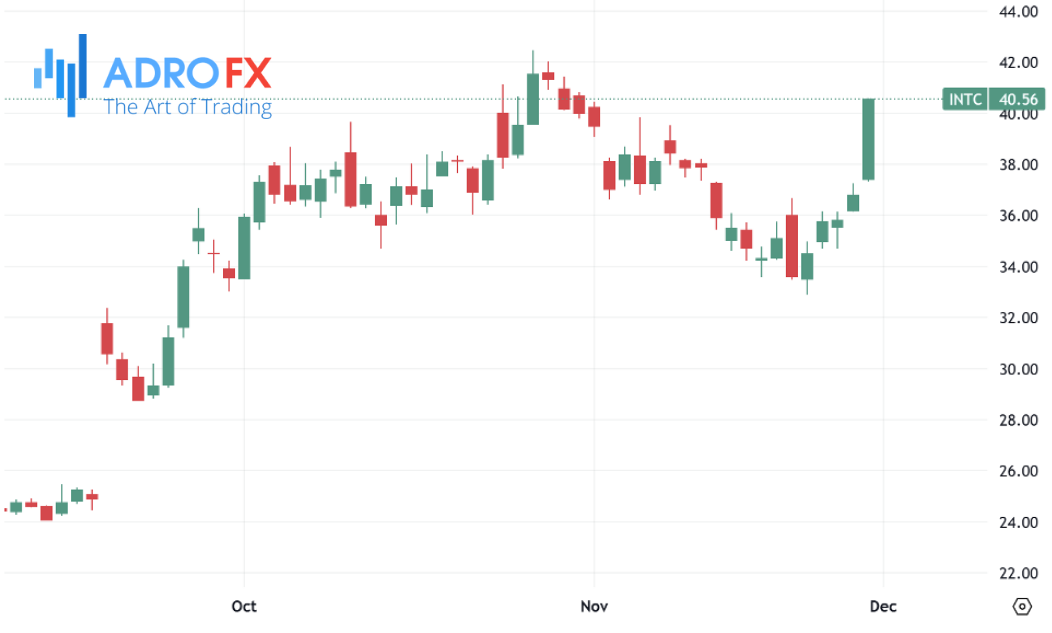
Technology stocks, by contrast, enjoyed renewed momentum. Intel stood out as the session’s clear winner, surging more than 10% after prominent Apple supply-chain analyst Ming-Chi Kuo suggested the chipmaker could secure a role in producing Apple’s entry-level M-series processors. According to Kuo, Apple is considering Intel’s 18A manufacturing node for these chips, with shipments projected as early as late 2027, subject to ongoing development milestones. The prospect of Intel re-entering Apple’s supply ecosystem fueled optimism that years of heavy capital investment may finally translate into meaningful commercial gains.
The U.S. dollar, which had benefited earlier in the year from elevated interest-rate differentials, has begun to soften as cut expectations build. This was evident in North American trading on Monday when USD/CAD attempted a modest rebound toward the 1.3980 area but struggled to sustain upside momentum. Stronger-than-expected Canadian economic data added further pressure on the pair. Statistics Canada reported that the country’s economy expanded at an annualized pace of 2.6% in the third quarter, a sharp turnaround from the revised 1.8% contraction posted in the second quarter and far exceeding forecasts that called for only modest growth.
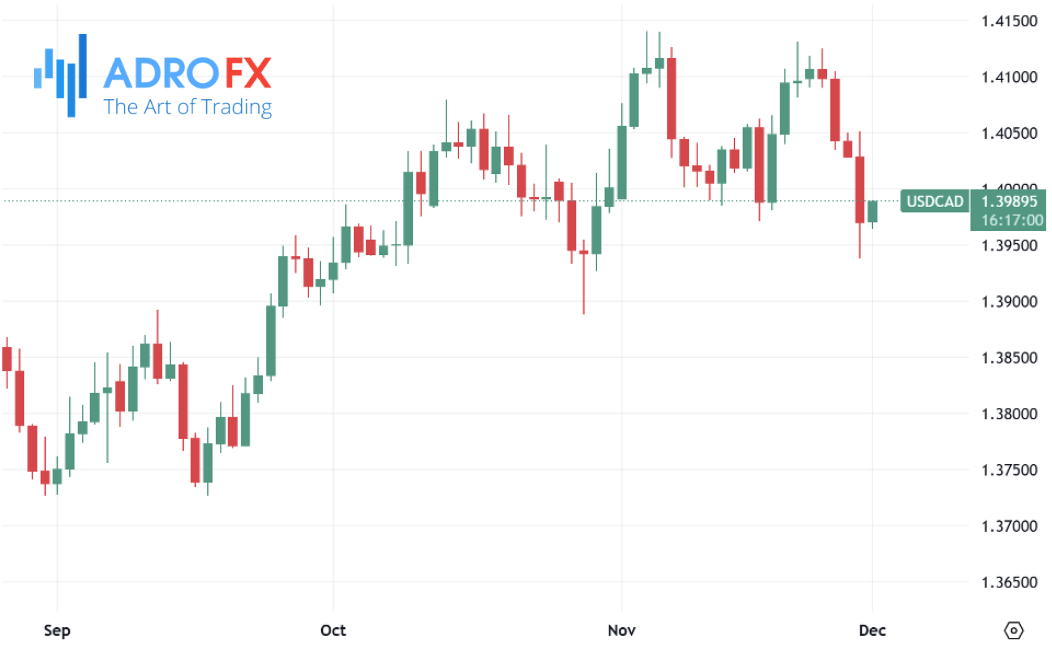
That upside surprise led traders to dial back expectations for further aggressive easing from the Bank of Canada. With growth showing signs of resilience, the argument for rapid rate reductions has weakened, lending support to the Canadian dollar. As a result, any near-term recovery in USD/CAD appears capped unless U.S. data meaningfully surprises to the upside.
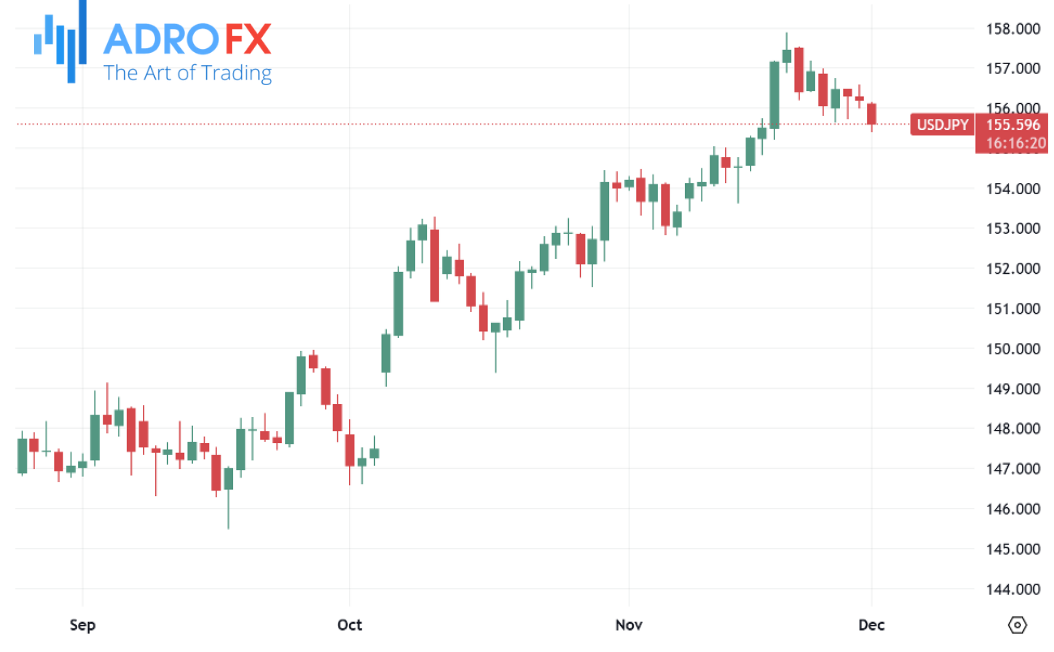
In Asia, currency markets told a similar story of shifting rate expectations driving capital flows. The Japanese yen strengthened notably at the start of the week, touching a one-and-a-half-week high against the dollar. The move followed renewed signals from Bank of Japan Governor Kazuo Ueda that the central bank is increasingly comfortable with the conditions needed to begin normalizing policy. These remarks pushed Japanese government bond yields to multi-year highs and narrowed the gap between Japanese yields and those of other major economies. The shrinking rate differential, combined with a slightly softer tone in global equities, reinforced the yen’s appeal as both a yield-sensitive and safe-haven currency.
The New Zealand dollar, meanwhile, struggled to extend recent gains amid a broadly weaker U.S. dollar. NZD/USD hovered just below the mid-0.5700s after touching its highest level in nearly a month at the end of last week. Disappointing economic signals from China acted as a headwind. Private-sector manufacturing data unexpectedly slipped back into contraction territory, while official indicators released over the weekend confirmed that China’s factory activity has now contracted for eight consecutive months. Even more concerning for global demand was the sharp slowdown in services activity, which fell to its weakest level since late 2022.
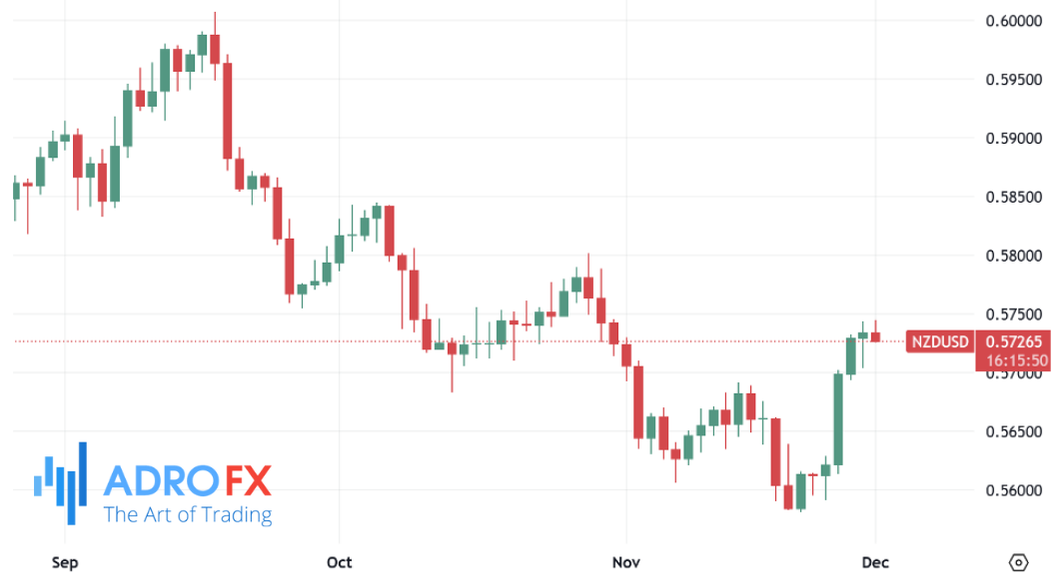
Ordinarily, such weak Chinese data would trigger a sharp sell-off in growth-linked currencies like the kiwi. This time, however, the market reaction was muted. Easing trade tensions, combined with fresh government efforts in Beijing to stimulate domestic consumption, helped temper downside pressure. In addition, the Reserve Bank of New Zealand’s recent policy guidance continued to underpin the currency. Although the RBNZ delivered a fully anticipated 25-basis-point rate cut last week, it signaled that the easing cycle is likely complete for now. That hawkish tilt has insulated the New Zealand dollar from broader risk aversion.
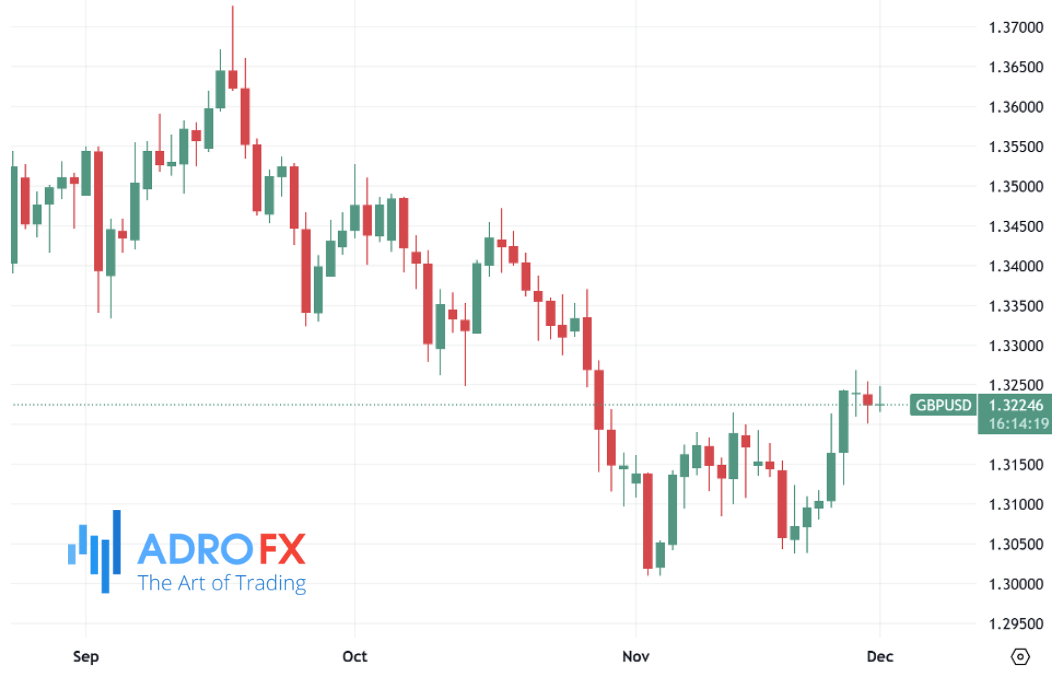
Sterling also showed resilience, with GBP/USD holding near the 1.3245 level during Asian trading as investors digested the UK’s latest Autumn Budget. Chancellor Rachel Reeves unveiled a fiscal package featuring selective tax increases alongside adjustments to business rates, benefits, and pension frameworks. While the measures carry longer-term fiscal implications, near-term growth projections were revised modestly higher. The Office for Budget Responsibility lifted its 2025 growth outlook to 1.5% from 1.0%, though it trimmed expectations for subsequent years. In the short run, the combination of fiscal clarity and relative stability in growth forecasts has supported the pound, leaving the door open for a modest relief rally against the dollar.
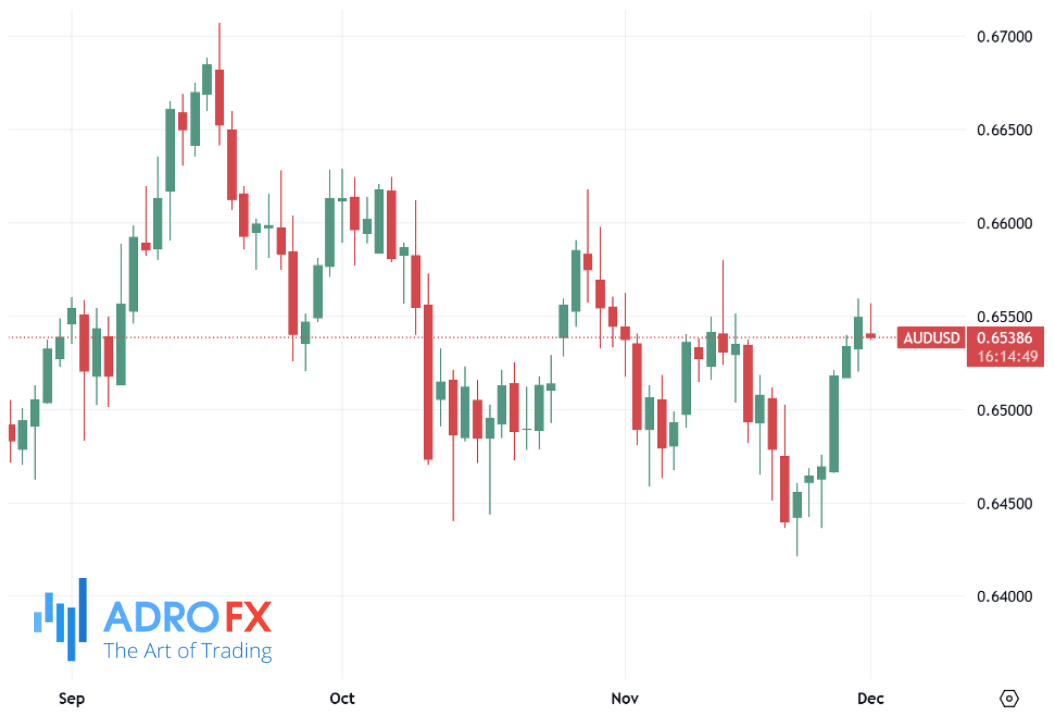
The Australian dollar followed a similar pattern to its New Zealand counterpart, opening the week on a subdued note but remaining well supported above recent lows. AUD/USD traded just under the mid-0.6500s, near a two-week high set on Friday. Again, uninspiring Chinese PMI data weighed on sentiment, but downside pressure was contained by the broader dollar sell-off and improving risk appetite across global equities.
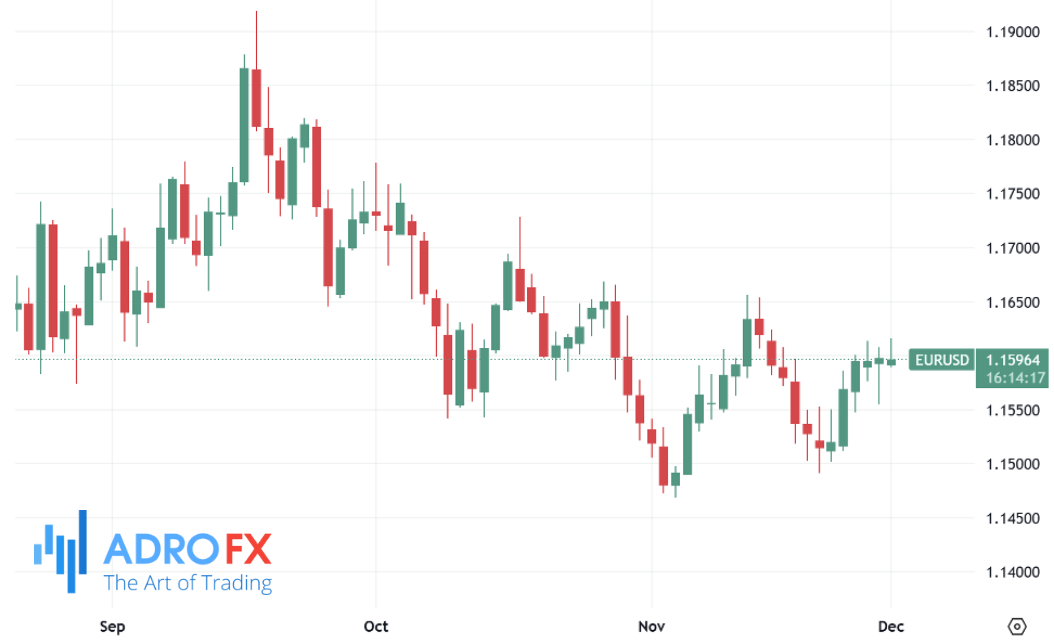
In Europe, macroeconomic signals painted a mixed but ultimately supportive picture for the euro. German retail sales fell short of expectations in October, highlighting ongoing consumer caution. At the same time, inflation data surprised to the upside across several major economies. The euro zone’s harmonized inflation measure in November pushed closer to the 3% level, with Spain breaking above that threshold and France posting growth in line with estimates. These figures reinforced the perception that inflation remains sticky, even as growth momentum slows. Combined with recent hints from the European Central Bank that its easing cycle may be nearing its end, the data tilts short-term risks for EUR/USD modestly to the upside—especially if the Federal Reserve moves first with rate cuts.
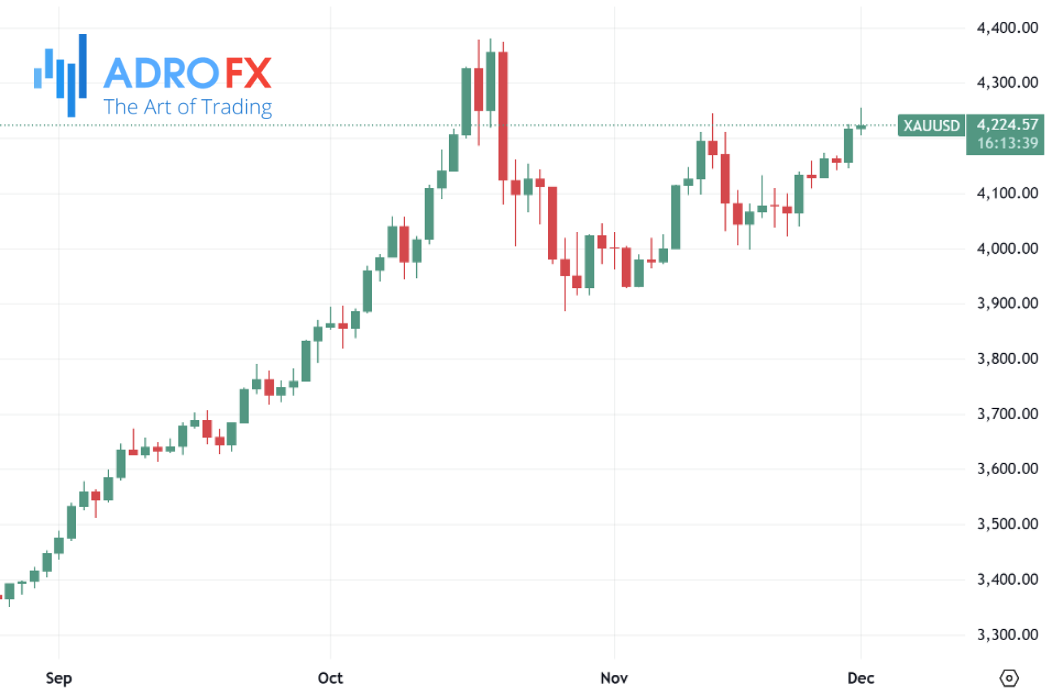
Gold has been one of the clearest beneficiaries of the shifting interest-rate landscape. The precious metal climbed more than 1% on Friday, breaking above the $4,200 level for the first time in ten days. With real yields slipping and the dollar under pressure, the non-yielding asset has regained its appeal as both an inflation hedge and a refuge from policy uncertainty. While the medium-term outlook for gold remains constructive, some analysts caution that its advance could face resistance if diplomatic progress emerges on the geopolitical front. Recent signals from Washington regarding potential peace initiatives between Russia and Ukraine have introduced the possibility of a broader risk-on shift that could cap near-term gains in bullion.
Looking ahead, the upcoming U.S. economic calendar will play a decisive role in confirming or challenging the market’s growing conviction that a December rate cut is locked in. Investors will scrutinize November’s ISM manufacturing and services PMIs for signs of economic cooling, along with updates on industrial production, private-sector hiring from the ADP report, and weekly jobless claims. Together, these indicators will shape final expectations going into the Federal Reserve’s policy decision.
Related Articles



Latest updates
Latest updates




Technical Analysis
Latest updates